 manne elke ou geregtig op sy eie waarnemings......die meeste groot visse op fotos afkomstig van die kant gevang waar elke Jan raap en sy maat hengel...dis plekke Wat naweek vir naweek gehengel word.....weerstoestande speel grootste rol by galjoen hengel....soos met als in lewe sal manne verskil......ek respekteer Ander ouens se siening.....galjoen hengel bly die beste......galjoenhengelaars ook....styw::

You are using an out of date browser. It may not display this or other websites correctly.
You should upgrade or use an alternative browser.
You should upgrade or use an alternative browser.
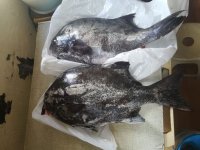
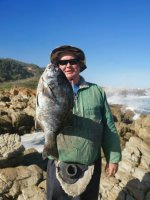
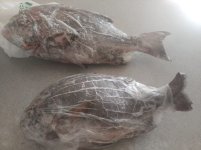
*BIGGEST GALJOEN OF THE SEASON* 2019
- Thread starter stinkmossel
- Start date
Vader van genade, Sparrabos is een van die bitter min ouens wat nog amazing stories en visse deel, daar is al soveel mense weg by Sealine omdat hulle net nie meer kans sien vir negatiewe opinies nie. Geniet net die fotos en die stories, ek altyd super excited as ek sien dat Sparra, Blik etc. n storie het.
Ek kots sommer n streep as Sparra ophou gaan post, soos my vrou altyd se, "Jou opinie en die wolf se tril....", niemand gee om oor die wolf se tril nie. Geniet net die fotos en stories, begin n bitch en moan thread van jul eie eerder.
Ek kots sommer n streep as Sparra ophou gaan post, soos my vrou altyd se, "Jou opinie en die wolf se tril....", niemand gee om oor die wolf se tril nie. Geniet net die fotos en stories, begin n bitch en moan thread van jul eie eerder.
Dr halibut hoffman
Moderator
Times have changed from when people here would be jumping down everyones throats..I agree with Sparra and also magnum..Nice to keep it civil and also nice to respond to inquiring criticism so diplomatically..
Times have also changed from when the stock was collapsed, more and more people are returning fish, more and more are returning large fish which is the most important thing we as anglers these days can do..As sparra said things are getting better, they caught more than they kept and also more are being responsible and releasing resident breeding stock. The stock is improving over all as far as I can tell.
In the days that collapsed the stock, farmers treknetted the bays for galjoen to dry on racks of hundreds and thousands of fish to feed the staff during the time the flocks were at the coast. People could freely drive up and down the beaches too and they did and filled their cooler boxes and boots with gallies. I remember seeing fish boxes after fish boxes of gallies growing up and ate my fair share on the braai, those were all sold commercially back then, caught by ous with their bakkies, cooler box after cooler box, this was in Joburg! The gallies got plundered in the old days, at least in that respect, times have changed.
Gallies still take a hammering but there are enough breeding fish in the sea now for the stock to improve and improve. More than there has been in 30 years I'd take a guess at! The more we release big resident breeding fish the sooner we get there and more and more people do these days. A government hatchery feeding spawn into the ocean would also help speed things along. The Galjoen hatchery breeding and it's potential as an aquaculture species has already been explored and mapped as far as I know and it is very suitable to artificial stocking as far as I know was the conclusion.
But ja there is at least a balance today with not everyone people filling streepsakke and lots releasing so at least the stock is improving slowly. Rod and line from the shore on slow growing and resident species has been shown to be responsible for collapse of species here for sure, and one must always take the basin effect into account which means when one is fishing remote places with good stocks that are difficult to get to, it will always seem like the stock is in good shape while in fact it may very well not be, one must be conservative with what one keeps in those areas as it is those stocks at the still full "plug holes" of the basin the have the potential to fill the basin and overflow stock to other areas that are fished out.
To second pylstert, ja there is a wealth of study in SA, particularly ones that deal with galjoen that show the effect of rod and line pressure from the shore on stocks and CPUE (catch per unit effort) and how that stock density goes right up and has almost recovered to pristine levels in marine reserves like de hoop. In those areas the density of mature adult fish averages one fish per foot of coastline, in areas with fishing pressure that drops right down to a fraction of that. Right now it is those areas that are restocking the fished out areas.
Dr halibut hoffman
Moderator
Ian, I wouldn't stress, everyone has been very respectful and Sparra has a dik vel..I am sure he has lots more stories and photos coming! Bring on the biggest gallie.. I tried this last weekend but the water was not playing along..maybe I get lucky this week for the karma from the fishies released the sessions prior ..
Last session was a mombak, one before that I caught my two to keep and released a whole bunch more including a big steenie and others..as it goes..if I kept everything karma would dictate my freezer to be empty..but its not..got given 2fish yesterday even by those that caught more than they cared to clean..the released more than they caught..I still have people amazed when I release a big prime fish who exclaim " I cant remember when last I caught a fish like that, how can you let it go back?"..I explain my karma is good and freezer is full so no need to be greedy, they just don't get it..But more and more do..
I am sure even Sparra, who I think may be starting to look like a galjoen (or cracker) he eats so many, releases far more fish than his father would or his grandfather would too, even if he keeps more in a year than most catch in ten..times are changing..Keep the reports coming Sparra..nice catches!! Always enjoy your posts! Well done!

Check what I am saying? Does sparra look like the cracker or does the cracker look like sparra? :first:first

 :rty::sval:

Last session was a mombak, one before that I caught my two to keep and released a whole bunch more including a big steenie and others..as it goes..if I kept everything karma would dictate my freezer to be empty..but its not..got given 2fish yesterday even by those that caught more than they cared to clean..the released more than they caught..I still have people amazed when I release a big prime fish who exclaim " I cant remember when last I caught a fish like that, how can you let it go back?"..I explain my karma is good and freezer is full so no need to be greedy, they just don't get it..But more and more do..
I am sure even Sparra, who I think may be starting to look like a galjoen (or cracker) he eats so many, releases far more fish than his father would or his grandfather would too, even if he keeps more in a year than most catch in ten..times are changing..Keep the reports coming Sparra..nice catches!! Always enjoy your posts! Well done!
Check what I am saying? Does sparra look like the cracker or does the cracker look like sparra?
:first:first:rty::sval:ian bergh wrote:
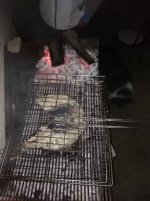
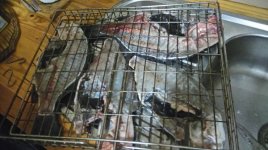
....dit is ook goed dat ons lees oor elke ou se siening en ervaring.....dit maak forum interesant....daarshy winter staan middel se Kant toe....hopenlik sien ons nog n paar blink vettes:sf:::dalk op die rooster of dalk terug in die water....
....:sval:....as ek gelukkig is om iets te vang of n mooi foto kry van n mooi vis post en deel ek dit graag......lol....niemand kwaad vir niemand.....stefan vertel van sy waarnemings in hul area....bewaring le hom na aan die hart....hy stuur my gereeld videos en fotos van mooi vis Wat hy vang en vrylaat.....daar is wel baie ouens wat klein ondermaat vissies hou....of te veel....ongelukkig sal hul nie verander want hul so groot geword....mens moet dit doen nie omdat jy moet maar omdat jou hart vir jou se dis die regte ding om te doen....daars niks fout om twee size vis vir braai te neem....die groot vis is kurkdroog en smaak anyway nie lekker....n Jong vis smaak baie lekkerder....verder is daar ook niks fout as ouens hul vis vrylaat.....galjoen hengel is baie wetenskaplik....winde weer en spesifieke seetoestande speel die grootste rol....gerei aas en vernuf ook....hy laat hom gelukkig nie so maklik vang....Al Wat skelmer as n galjoen is is n galjoenhengelaarVader van genade, Sparrabos is een van die bitter min ouens wat nog amazing stories en visse deel, daar is al soveel mense weg by Sealine omdat hulle net nie meer kans sien vir negatiewe opinies nie. Geniet net die fotos en die stories, ek altyd super excited as ek sien dat Sparra, Blik etc. n storie het.
Ek kots sommer n streep as Sparra ophou gaan post, soos my vrou altyd se, "Jou opinie en die wolf se ****....", niemand gee om oor die wolf se **** nie. Geniet net die fotos en stories, begin n ***** en moan thread van jul eie eerder.
....dit is ook goed dat ons lees oor elke ou se siening en ervaring.....dit maak forum interesant....daarshy winter staan middel se Kant toe....hopenlik sien ons nog n paar blink vettes:sf:::dalk op die rooster of dalk terug in die water....





Dr halibut hoffman
Moderator
Very nice brother!! Fish look vet!